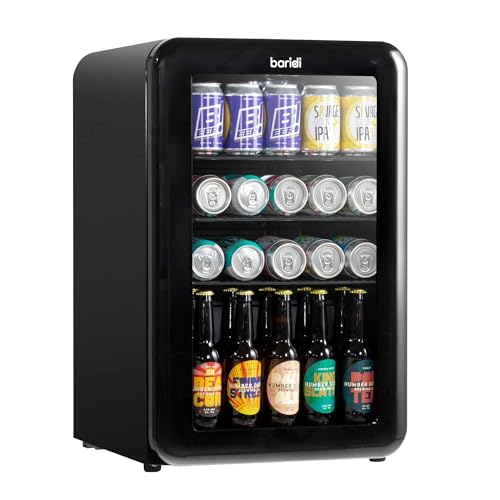
Commercial Drink Fridges: The Essential Guide for Businesses
In the competitive landscape of the food and beverage market, preserving the quality and ease of access of drinks is paramount for service success. Retro Drink Fridge play an essential role in this element, ensuring that both perishable and non-perishable beverages are stored successfully, marketed appealingly, and easily accessible to customers. This short article provides an in-depth appearance at commercial drink fridges, their types, features, and advantages, while addressing regularly asked questions to assist entrepreneur in making informed decisions.
Tabulation
- 2.1. Glass Door Refrigerators
- 2.2. Undercounter Refrigerators
- 2.3. Countertop Fridges
- 2.4. Beverage Dispensers
- Secret Features of Commercial Drink Fridges
- Advantages of Using Commercial Drink Fridges
- Frequently asked questions
- Conclusion
Intro to Commercial Drink Fridges
Commercial drink fridges are specialized refrigeration systems created to shop and display a range of drinks, including soft drinks, juices, beer, wine, and more. Unlike domestic refrigerators, these systems are constructed to endure the rigorous demands of commercial environments, where they require to keep items at optimal cooling temperature levels while optimizing exposure and accessibility for consumers.
Kinds Of Commercial Drink Fridges
There are different commercial drink fridges available on the marketplace, each accommodating particular needs and environments. Here are some of the most typical types:
2.1. Glass Door Refrigerators
- Description: These fridges include large glass doors that supply exposure for clients while keeping the drinks cold.
- Perfect Use: Perfect for benefit stores, coffee shops, and dining establishments that desire to display their beverage offerings.
2.2. Undercounter Refrigerators
- Description: Designed to fit under counter areas, these fridges are compact yet effective.
- Perfect Use: Great for bars and dining establishments with restricted area; they allow for simple access to drinks without occupying floor space.
2.3. Countertop Fridges
- Description: Smaller units that rest on counter tops, permitting fast access to drinks.
- Perfect Use: Suitable for cafes and coffee bar where personnel need fast access to drinks for customers.
2.4. Beverage Dispensers
- Description: These systems dispense drinks like sodas, juices, or iced tea straight, frequently geared up with several taps.
- Ideal Use: Common in snack bar and events needing high-volume beverage service.
Secret Features of Commercial Drink Fridges
When thinking about a commercial drink fridge, several crucial functions should be taken into consideration:
- Temperature Control: Efficient cooling systems keep optimum temperature level varieties, typically between 33 ° F to 40 ° F( 1 ° C to 4 ° C), to guarantee beverage
- freshness. Energy Efficiency: Many designs are developed with environment-friendly technologies, minimizing energy usage and operating expense.
- Interior Lighting: LED lighting enhances exposure, making it simple for clients to see the available items.
- Shelving Options: Adjustable shelving permits flexible organization of drinks, accommodating different bottle sizes and types.
- Security Features: Lockable doors provide defense against theft, which is specifically essential in retail environments.
Advantages of Using Commercial Drink Fridges
Investing in a commercial drink fridge offers numerous advantages that boost business operations:
- Improved Sales: Effective display and availability to drinks increase impulse purchases and overall sales.
- Quality Preservation: Proper refrigeration makes sure that beverages preserve their taste and freshness, which is important for client fulfillment.
- Brand Visibility: Transparent glass doors showcase your item range, improving branding and marketing efforts.
- Area Efficiency: Many models are developed for optimum area utilization in busy commercial settings.
| Feature | Advantage |
|---|---|
| Temperature level Control | Keeps drinks fresh and attractive |
| Energy Efficiency | Reduces electrical energy bills and promotes sustainability |
| Interior Lighting | Brings in clients and helps in product selection |
| Adjustable Shelving | Optimizes storage based on inventory requires |
| Security Features | Secures against theft |
FAQs
Q1: How do I pick the right size of drink fridge for my organization?
Picking the right size depends upon your available space, the volume of drinks you prepare to stock, and consumer traffic. Measure your designated location and consider models that fit those dimensions while fulfilling your storage requires.
Q2: Are commercial drink fridges energy-efficient?
Numerous contemporary commercial drink fridges are created with energy-saving innovation and insulation to decrease energy consumption. It's advisable to look for the ENERGY STAR label for ideal performance.
Q3: How frequently should I maintain my fridge?
Regular maintenance is crucial for the longevity of your commercial drink fridge. A great guideline is to clean it each to 3 months. Extra checks on temperature settings and door seals should be performed routinely.
Q4: What temperature should my drink fridge be set at?
Many beverage refrigeration must keep a temperature level between 33 ° F and 40 ° F (1 ° C to 4 ° C) to guarantee drinks are cold however not frozen.
Q5: Can I use a residential fridge for commercial functions?
While domestic fridges might operate in a pinch, they are not constructed for the heavy demands of commercial settings. For optimal performance and energy performance, it's best to buy devices developed for commercial usage.
Conclusion
In conclusion, commercial drink fridges are an essential investment for any company that sells beverages. With various types and functions available, understanding the particular needs of your business will aid in choosing the ideal design. The advantages of improved sales, quality preservation, and improved presence can substantially add to a company's success. As the industry continues to progress, having the best devices ensures that businesses can satisfy customer expectations while thriving in a competitive marketplace.